What Is a Kilim Rug? Flatweave vs Pile Explained
Kilims are some of the oldest and most practical rugs in the world. They are thin, colourful, reversible and tough — which is why they show up in boho living rooms, busy hallways and dining rooms alike. Here is everything you need to know before you buy one.
What is a kilim?
A kilim is a flat-woven rug. Instead of tying knots to create a raised pile, the weaver passes coloured weft threads over and under the warp threads and packs them down tightly. The pattern is formed by the weft itself, so the rug has no pile at all and the design usually looks the same on both sides.
Flatweaving is practised across a wide region, from North Africa to Turkey, the Caucasus and Central Asia. In Morocco, flatweaves are often called hanbel or kilim, and they are woven in the same villages that make pile rugs.
How kilim patterns are made
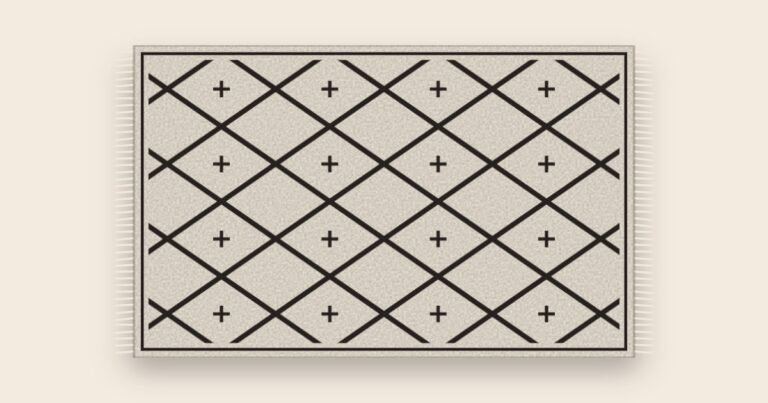
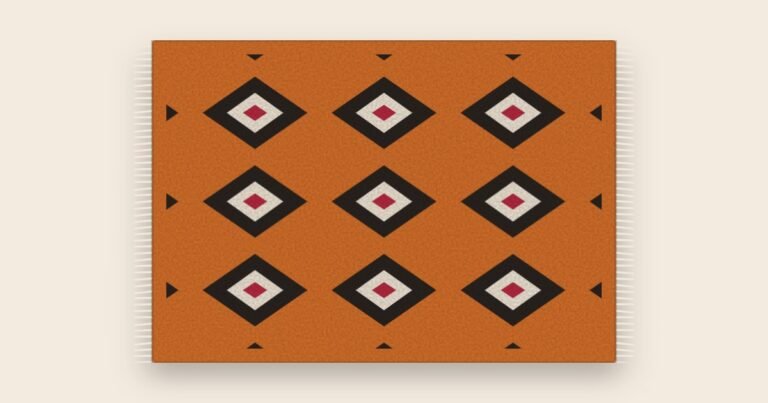
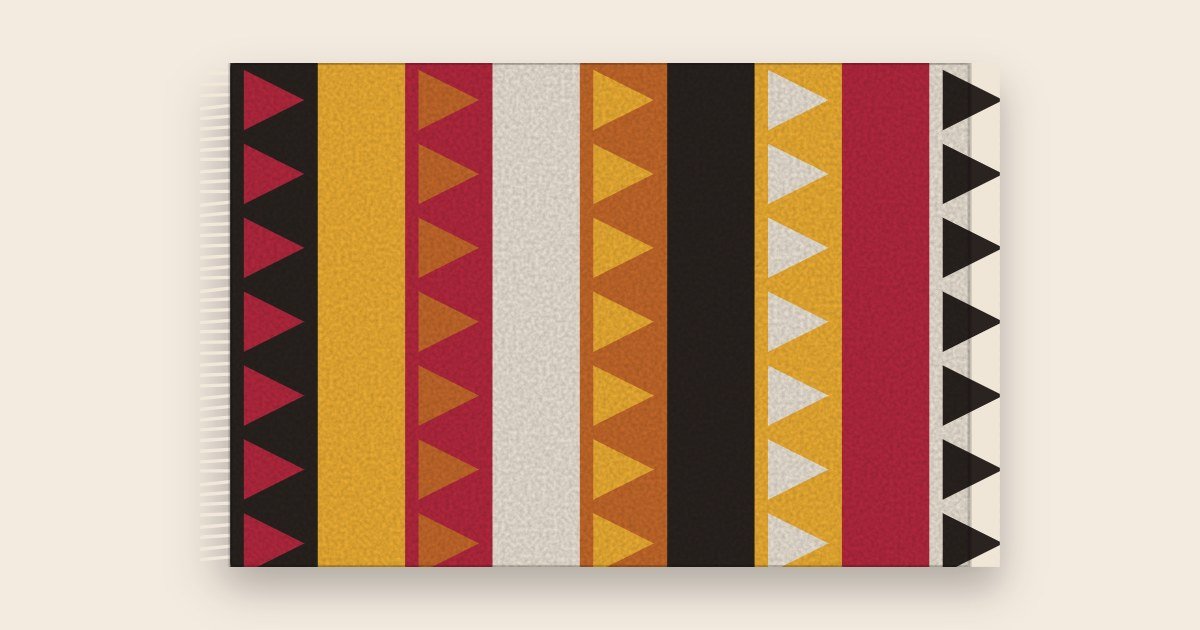
Because each colour is woven in its own section, kilims favour geometric shapes: triangles, diamonds, stepped medallions and bold bands. Where two colour areas meet on a vertical line, a small slit can appear — a characteristic of the slit-tapestry technique. Diagonal edges avoid long slits, which is one reason kilim designs are so full of triangles and zigzags.
Kilim vs. pile rug: the differences
- Thickness: a kilim is a few millimetres thick; a pile rug can be several centimetres, like a plush Beni Ourain.
- Feel: kilims feel smooth and firm; pile rugs feel soft and warm.
- Reversible: most kilims can be flipped to spread wear evenly. Pile rugs cannot.
- Weight: kilims are light and easy to move, roll or ship.
- Furniture and doors: a kilim slides under doors and chair legs without catching.
Where a kilim works best
- Dining rooms: chairs glide over a flatweave instead of snagging in pile.
- Hallways and entries: a kilim runner handles foot traffic and lies flat, so nobody trips.
- Kitchens: easy to shake out and clean.
- Layering: a thin kilim is the perfect base for a smaller pile rug on top. See how to layer rugs boho style.
- Homes with pets: no long pile to trap hair, and claws catch less on a tight weave.
Is a kilim comfortable?
A kilim is less cushioned than a pile rug. If you want comfort underfoot in a living room or bedroom, add a good rug pad under it — it also stops the rug from sliding on hard floors. If softness is your priority, look at pile styles in our Moroccan rug collection instead.
How to care for a kilim
- Vacuum both sides gently, without a beater bar.
- Flip and rotate it every few months so it wears and fades evenly.
- Blot spills immediately; avoid rubbing, which can spread dye.
- Use a rug pad to keep it flat and reduce friction.
- Have it professionally cleaned when needed rather than machine washing.
Choosing your kilim
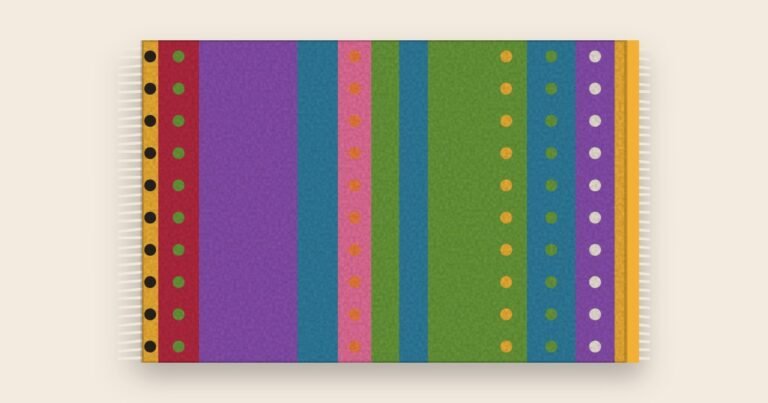
Start with size: kilims look best when they are generous enough to anchor the furniture, or long enough to run the full length of a hallway. Then pick a palette — saffron and ink for a bold look, blues and ivory for something calmer. Every rug in our kilim collection is woven to your exact measurements, so you can choose a custom size instead of compromising on a standard one.